43 cleaning chemical labels should contain
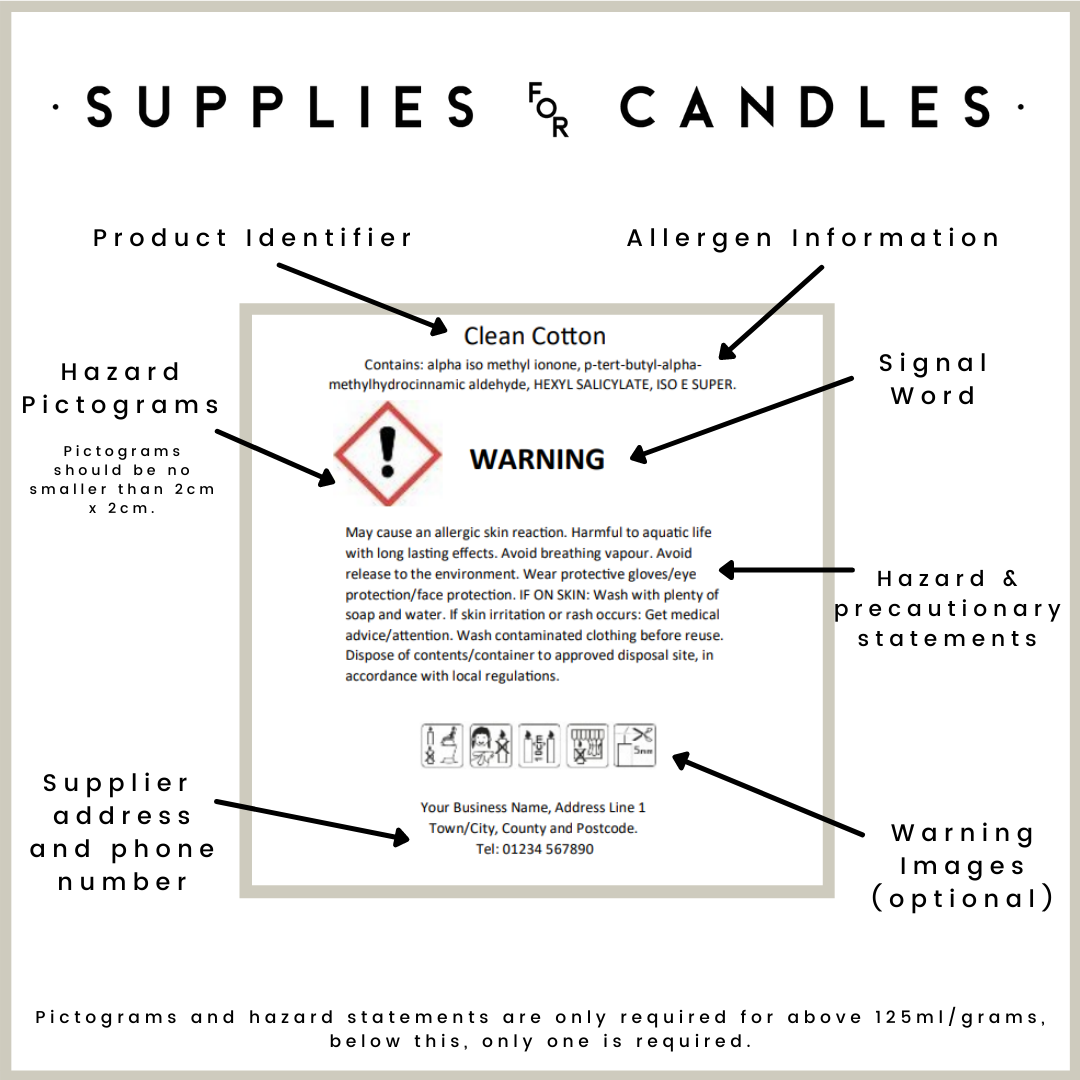
Labeling and storing hazardous chemicals - STOREMASTA In Australia labels on hazardous chemicals must be written in English and contain the following information: Product identifier Contact details of the manufacturer or importer Breakdown of the ingredients with percentages/ratios Hazard Pictogram Hazard Statement, Signal Word, Precautionary Statements Chemical Ingredients 101: How to Read a Product Label Toothpaste Ingredients. Sodium bicarbonate, commonly known as baking soda, helps to polish teeth. Sodium fluoride in toothpaste and other dental care items helps prevent cavities. Calcium carbonate, dehydrated silica gels, hydrated aluminum oxides, magnesium carbonate, phosphate salts and silicates aid in the removal of tooth debris and ...
PDF US EPA - Label Review Manual - Chapter 13: Storage and Disposal The Storage and Disposal section of the label must have instructions on how to: Store a product Dispose of leftover pesticides Clean an empty container (for certain types of pesticides and containers) Dispose of an empty container if recycling or reconditioning is not an option.

Cleaning chemical labels should contain
Chemistry Behind Cleaning - How Do Household Cleaners Work? A cleaning product's pH will determine its efficacy. Here are the average pH levels of common chemical cleaning products 1-3 pH - Toilet Cleaner 7-8 pH - Mild Dish Soap 11-13 pH - Chlorine Bleach - Oven Cleaner - Tile/Tub Cleaner - Ammonia acid 3 pH - Vinegar - Lemon Juice NEUTRAL Labelling and packaging - Chemical classification - HSE Labelling and packaging Labels are there to help identify hazardous chemicals and explain what the hazards are and how to avoid them. Packaging is also important to ensure that chemicals are stored... Product Chemical Hazard Labels Explained - VIP Clean Most household cleaning labels will contain at least one of the pictograms explained above, because many products were made before the new legislation took effect. Children should work with chemicals (including household cleaning products) in a well ventilated area and always under the direct supervision of an adult.
Cleaning chemical labels should contain. OSHA requirements for cleaning chemicals. | Occupational Safety and ... OSHA requirements for cleaning chemicals. Standard Number: 1910.1200 OSHA requirements are set by statute, standards and regulations. Our interpretation letters explain these requirements and how they apply to particular circumstances, but they cannot create additional employer obligations. Identifying Greener Cleaning Products | US EPA To make it easier for purchasers to identify greener cleaning products, EPA manages the Safer Choice program, which certifies products that contain safer ingredients for human health and the environment. In addition to the Safer Choice label, EPA offers the Design for the Environment (DfE) label on antimicrobial products, such as disinfectants ... Chemicals in cleaning products - Chemicals In Our Life - ECHA - Europa Some products can cause allergic reactions and irritate the skin and eyes. For example, drain unblockers and toilet cleaners may contain corrosive substances which can cause severe skin burns and damage eyes. Dishwasher detergents, decalcification agents and oven cleaners may also seriously harm your health if not handled properly. WHMIS 1988 - Labelling Requirements : OSH Answers - Canadian Centre for ... Supplier labels for materials from a laboratory supply house that are intended for use in a laboratory in amount less than 10 kg. and any controlled product sold in a container with less than 100 ml may contain less information than listed above.
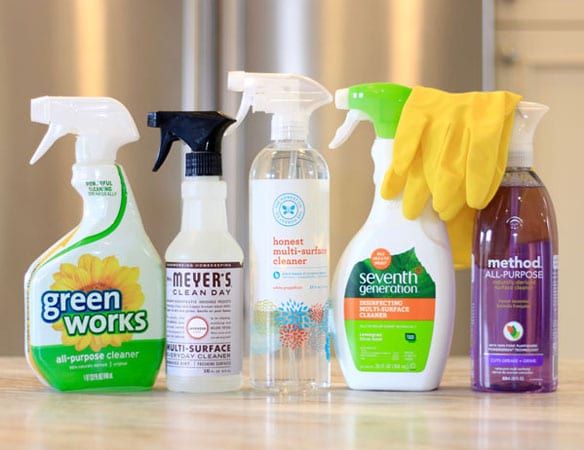
Cleaning Supplies: Secret Ingredients, Hidden Hazards This bill would require that makers of household and professional cleaning supplies disclose the ingredients on the label as well as on the web. It would also require disclosure of product contaminants and individual ingredients in fragrance mixtures. The result would empower consumers as never before. Many ingredients are not disclosed to workers Cleaning Supplies and Household Chemicals - American Lung Association Many cleaning supplies or household products can irritate the eyes or throat, or cause headaches and other health problems, including cancer. Some products release dangerous chemicals, including volatile organic compounds (VOCs). Other harmful ingredients include ammonia and bleach. Even natural fragrances such as citrus can react to produce ... Cleaning Chemical Safety Information Workers should also obey the following basic rules for cleaning chemical safety: Don't mix cleaning chemicals unless instructed to do so. Some chemicals, like bleach and ammonia, can cause serious damage to the lungs and in some cases result in death when mixed. Don't wash your hands with cleaning chemicals. Cleaning Chemical List - 14 Agents Used in Housekeeping List of Common Chemicals Used in Most Cleaning Products When it comes to making products specifically meant for cleaning, the following chemicals are used. Some tackle odors, while some only remove dirt. Acetic Acid (also known as vinegar) Ammonia Sodium bicarbonate Carbon (iv)oxide Amyl nitrite Chromic acid Sodium perborate Tetrachloroethylene
PDF Protecting Workers Who Use Cleaning Chemicals - Occupational Safety and ... • Never mix different cleaning chemicals together. Dangerous gases can be released. • Cleaning chemicals should not be used to wash hands. Wash hands with water after working with a cleaning chemical, especially before eating, drinking or smoking. Employers must provide training to workers at a level and in a language and vocabulary that they Cleaning | Disinfection & Sterilization Guidelines | Guidelines Library ... Cleaning solutions also can contain lipases (enzymes active on fats) and amylases (enzymes active on starches). Enzymatic cleaners are not disinfectants, and proteinaceous enzymes can be inactivated by germicides. How to Read Food Labels and Avoid Toxic Ingredients There are many MSG "clean label" ingredients identified by Truth in Labelling.org that you should be aware of. The list includes, but is not limited to the following substances: Glutamate Glutamic acid Monosodium glutamate Magnesium glutamate Natrium glutamate Gelatin Calcium caseinate Sodium caseinate Textured protein Chemistry Lab Safety Quiz Flashcards | Quizlet 3. If chemicals were involved they need to be taken to the safety shower and rinsed for 15 minutes. 4. Clean, wet, ice packed cloths need to be placed on burned areas and the victim needs to be wrapped in the fire blanket. 5. Immediately contact Daria (7-7516) the Main office (7-2850) and DPSEP (7-3000)
How to Read a Cleaning Product Label
Terms to avoid on a hazard label - HSE You should also avoid using statements such as 'safe', 'non-harmful', 'non-toxic', 'non-polluting', 'ecological', 'eco' on the labels of substances or mixtures which have been classified as...
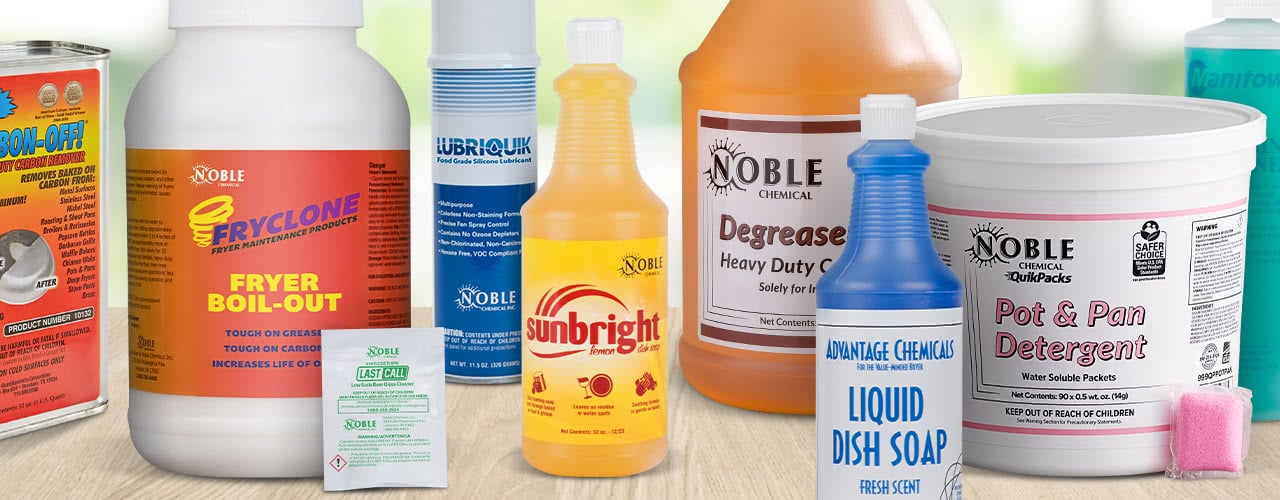
The Essential Cleaners for Your Restaurant: Types & Uses
Secondary Containers | Environmental Health, Safety and Emergency ... QUAT-X 700 GERMICIDE SPRAY Diluted to 0.5 oz Quat per gal water [or whatever dilution rate you use] KEEP OUT OF REACH OF CHILDREN EYE HAZARD - Do Not Spray in Eyes. SKIN HAZARD - Avoid Prolonged Skin Contact. DO NOT DRINK Contains: Didecylwhatever ammoniumchloride [no need to list the percents] Butylnoodle quaternary ammonium stuffate

How to Use Cleaning Products Safely – Cleveland Clinic
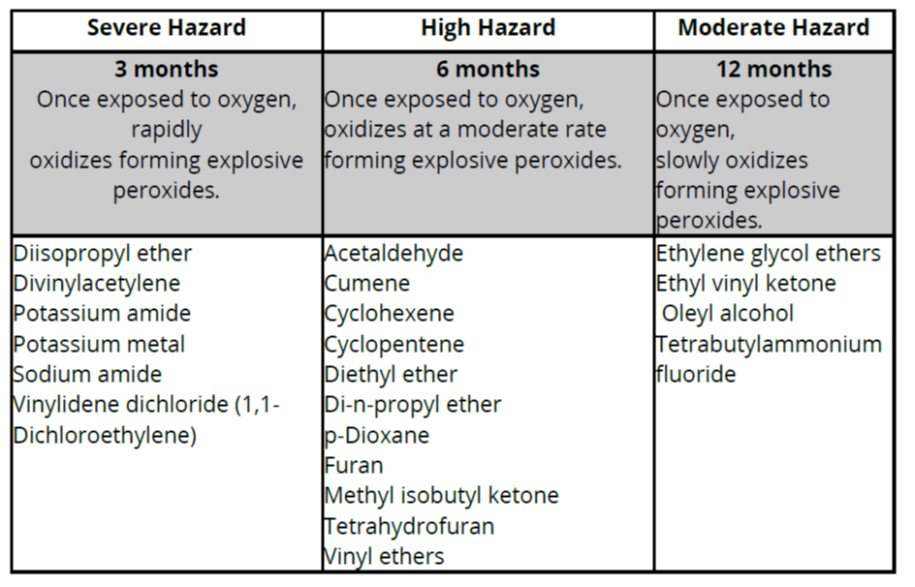
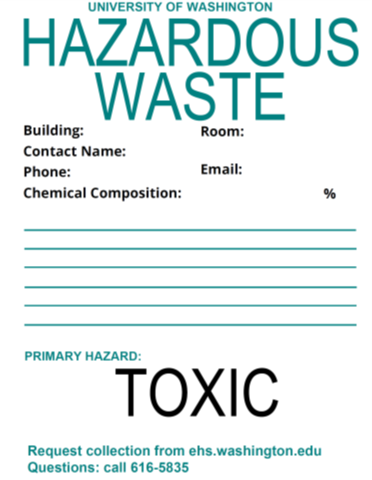
Chemical Container Labels | EHS - University of Washington Peroxide-forming chemical labels Containers with peroxide-forming chemicals, such as those listed below and discussed in Section 2 in the UW Laboratory Safety Manual or those with an SDS that states the chemical can form peroxides, must be labeled with the UW 1716 label shown and indicate the date the original container was first opened.

The Science of Clean Label Fats & Oils - Clean Label Conference
4 Quick Tips to Help You Ace OSHA Secondary Container Labeling Tip #2: Play it Safe with GHS Labels for All Chemical Containers OSHA HazCom standards allow for some limited flexibility when labeling secondary containers. For example, there are six clear elements required for primary containers but less strict, more nuanced specifications for secondary containers.
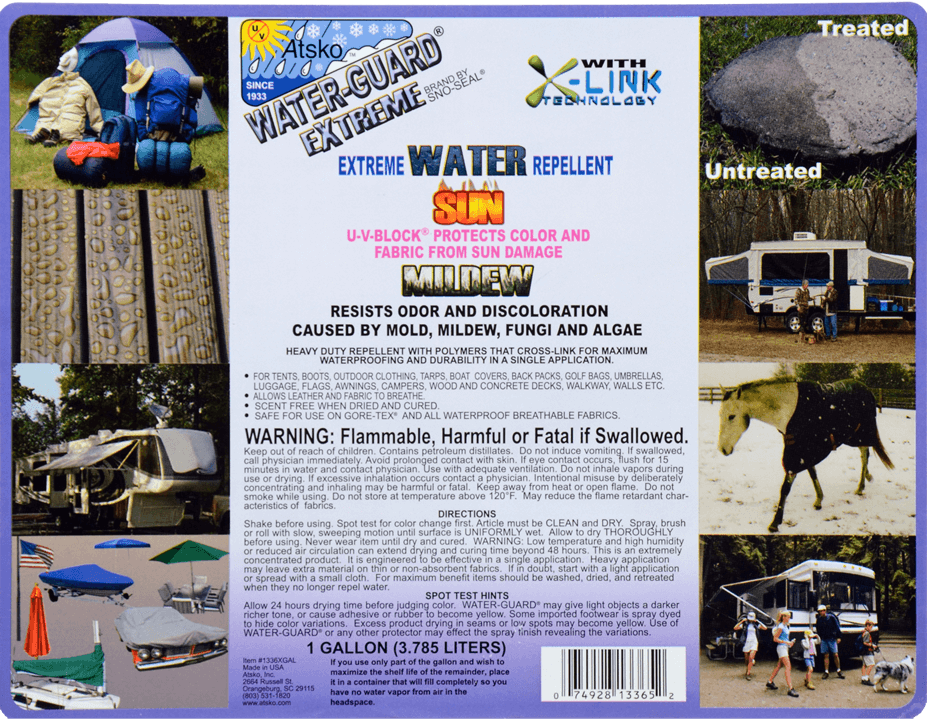
Printed Chemical Labels, Preprinted Chemical Labels, Drum ...
FAQs: Toxic Chemicals in Cleaning Products - Toxic-Free Future The most hazardous cleaning products are corrosive drain cleaners, oven cleaners, and toilet bowl cleaners. These products can cause skin or eye burns and potentially cause permanent eye damage. They can be identified by the signal word Danger on the label and the word "corrosive.".
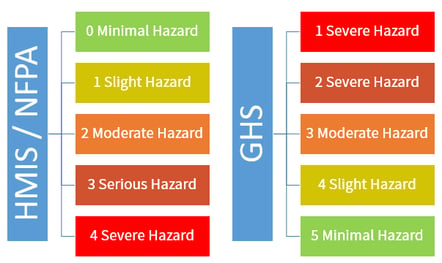
Secondary Container Labels 101: HazCom and WHMIS
WHMIS 2015 - Labels : OSH Answers - Canadian Centre for Occupational ... 100 mL or less - Exempt only from requirement to have precautionary or hazard statements on the label. 3mL or less - Where the label will interfere with normal use of the product, the product would be required to have a label that is durable and legible for transport and storage, but may be removable during use.

How to Read a Cleaning Product Label
A List of Chemicals I Try to Avoid in Cleaning Products Reading labels is the best way to avoid spraying toxic chemicals around your home. It is also an easy way to spot greenwashing from brands calling themselves natural, plant-based or eco-friendly. ... Despite being labelled as a single word, fragrances can contain up to 200 chemicals. Even if cleaning products, perfume is classed as a trade ...
Chemical Container Labels | EHS
GHS Labeling Requirements: The Definitive Guide [2021 Update ... - Luminer However, the GHS takes into consideration that, sometimes, it's not possible to keep workers safe with only these six label requirements, which is why it also allows for supplemental information. 1. Product Identifier. This requirement identifies the actual hazardous chemical inside the container.
Chemical Container Labels | EHS
Hazardous Chemical Cleanup: Steps for Dealing with a Spill Any leaks in the container should be plugged or an additional container should be placed under the leak. A spill kit containing absorbents that can handle oil should be used to dike and soak up the liquid (many spill kits should be able to soak up oil). Take care not to step in the oil. 4. Clean Up.
5 Ways Natural Cleaning Products Aren't As Safe As You Think ...
How to Read a Cleaning Product Label - The Spruce Most cleaning products add a caution section to their label. It's often in large print and in bold. Most caution warnings will say if the product is an eye irritant, a skin irritant, harmful if swallowed, has contents under pressure, or needs to be used in a well-ventilated area.
CLPs: Getting your label right first time
Product Chemical Hazard Labels Explained - VIP Clean Most household cleaning labels will contain at least one of the pictograms explained above, because many products were made before the new legislation took effect. Children should work with chemicals (including household cleaning products) in a well ventilated area and always under the direct supervision of an adult.
HAZMAT Shipping Safety Guide | USPS Delivers
Labelling and packaging - Chemical classification - HSE Labelling and packaging Labels are there to help identify hazardous chemicals and explain what the hazards are and how to avoid them. Packaging is also important to ensure that chemicals are stored...

GHS quiz: Match the pictogram to the hazard | Safety+Health
Chemistry Behind Cleaning - How Do Household Cleaners Work? A cleaning product's pH will determine its efficacy. Here are the average pH levels of common chemical cleaning products 1-3 pH - Toilet Cleaner 7-8 pH - Mild Dish Soap 11-13 pH - Chlorine Bleach - Oven Cleaner - Tile/Tub Cleaner - Ammonia acid 3 pH - Vinegar - Lemon Juice NEUTRAL

Lean & Chemicals Toolkit: Chapter 2 | US EPA
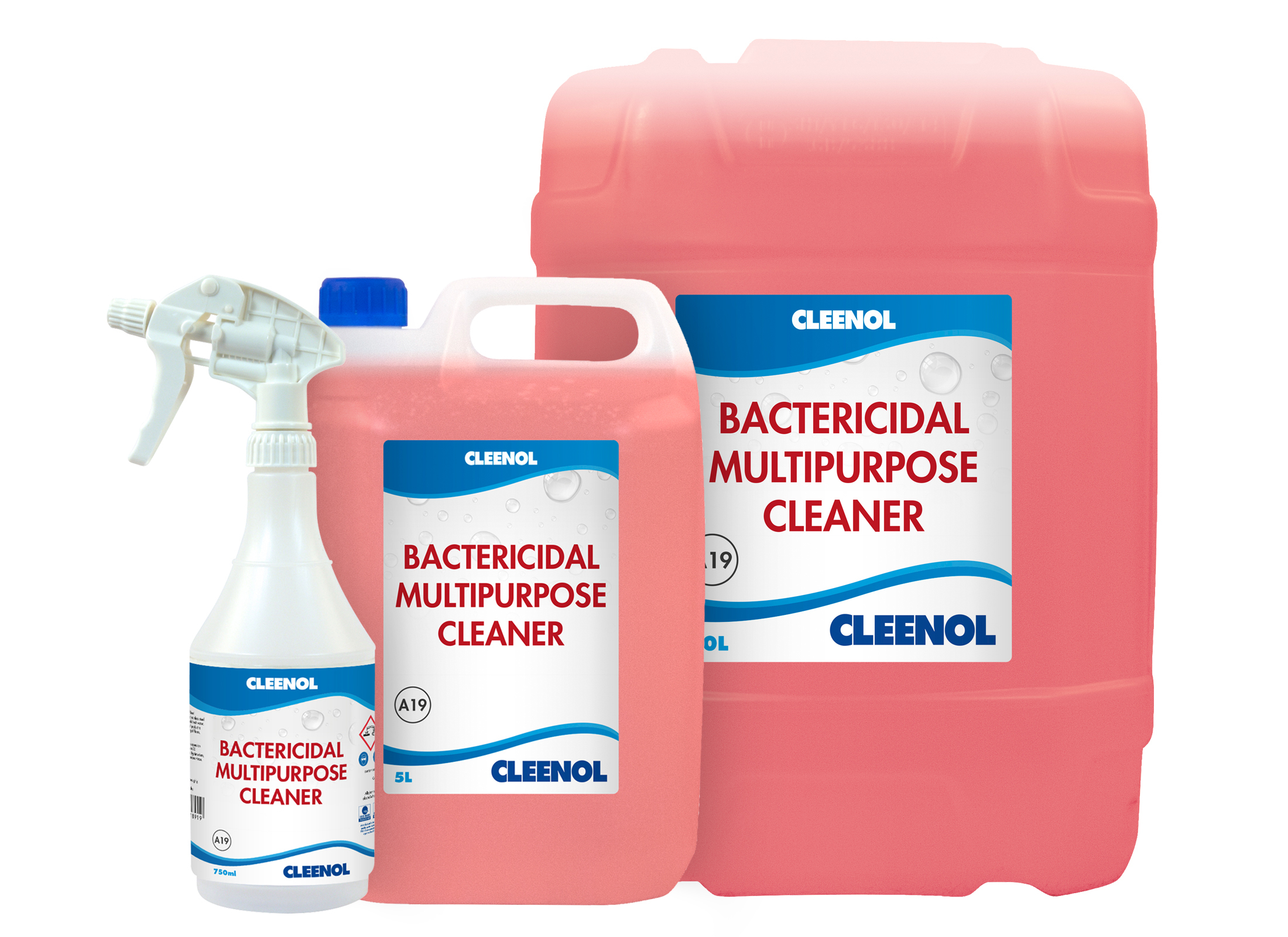
Cleaning Product Labels | CS Labels
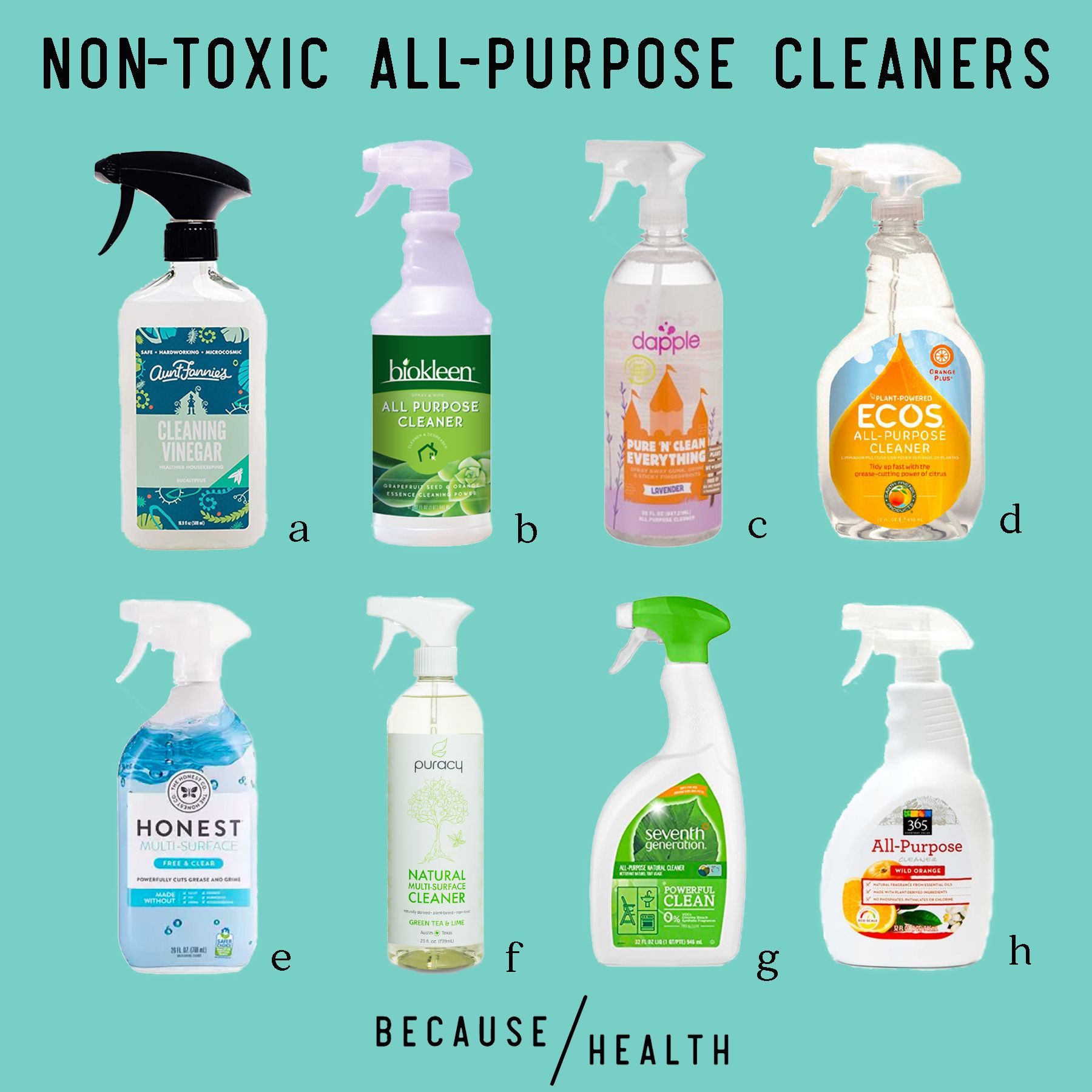
9 Non Toxic All Purpose Cleaners - Because Health

A chemist's guide to disinfectants

Eco-friendly HOCL Disinfectant Spray

Chemical Spill Procedures | Office of Environmental Health ...
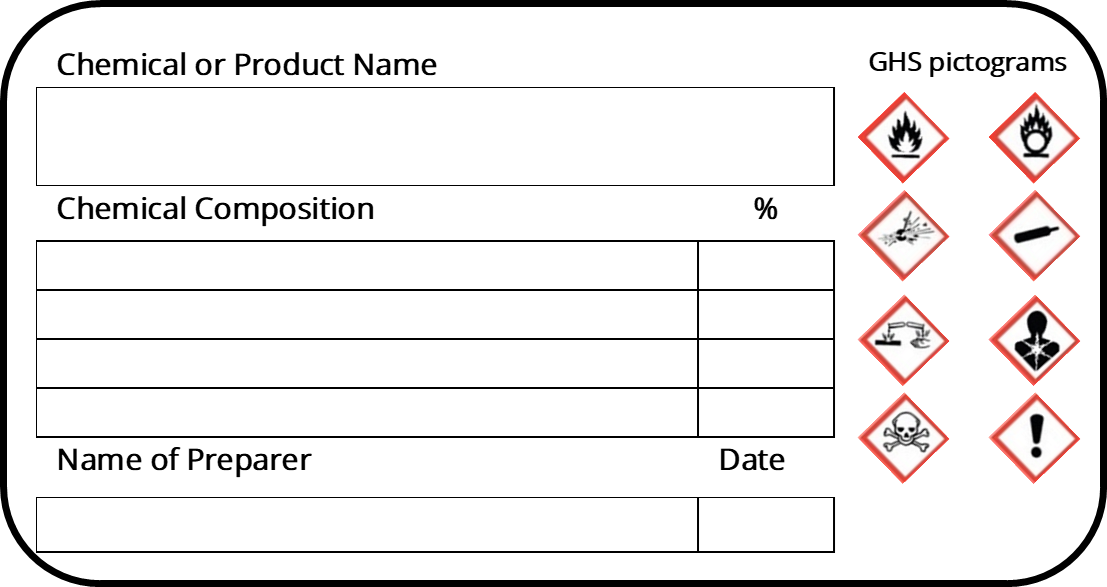
Chemical Container Labels | EHS
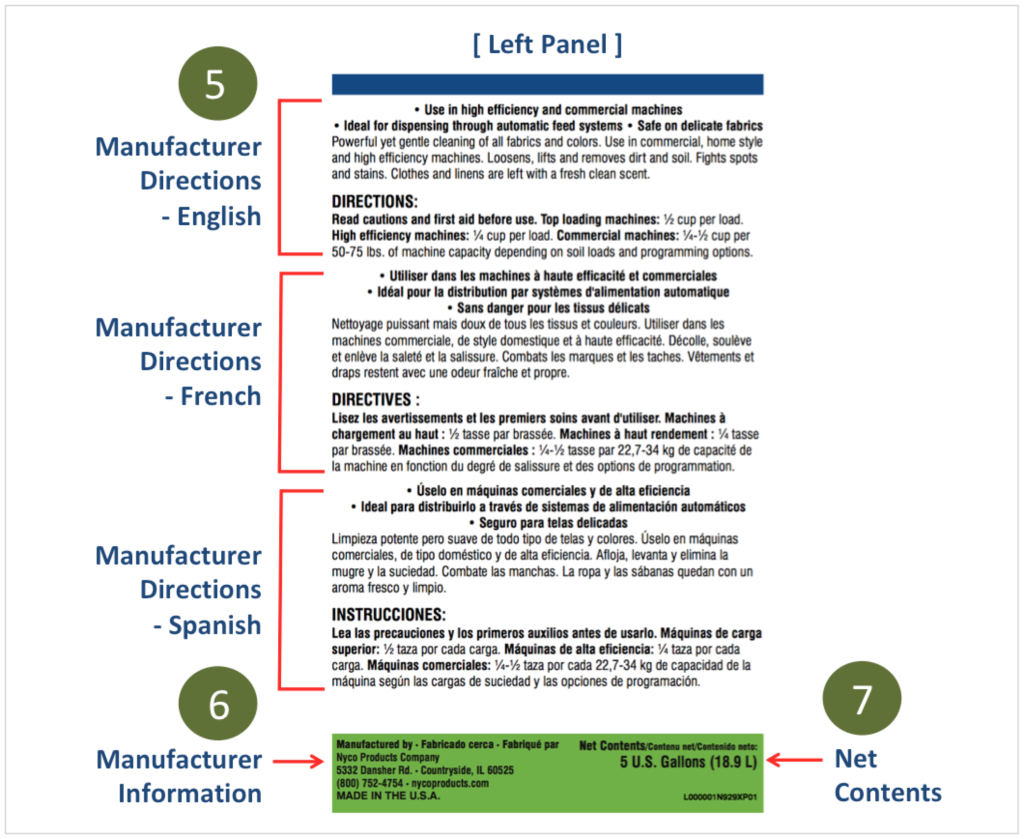
How to Read a Chemical Label | Understanding Chemical Labels
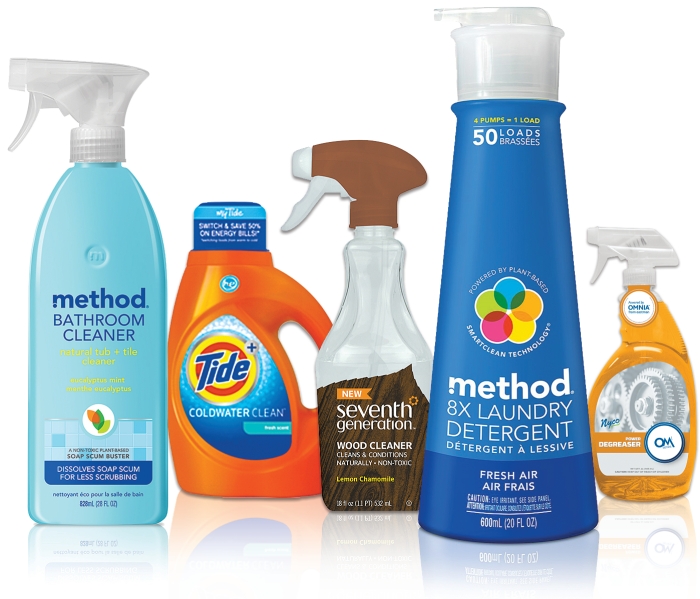
Cleaning Product Makers Bask In New Solvents
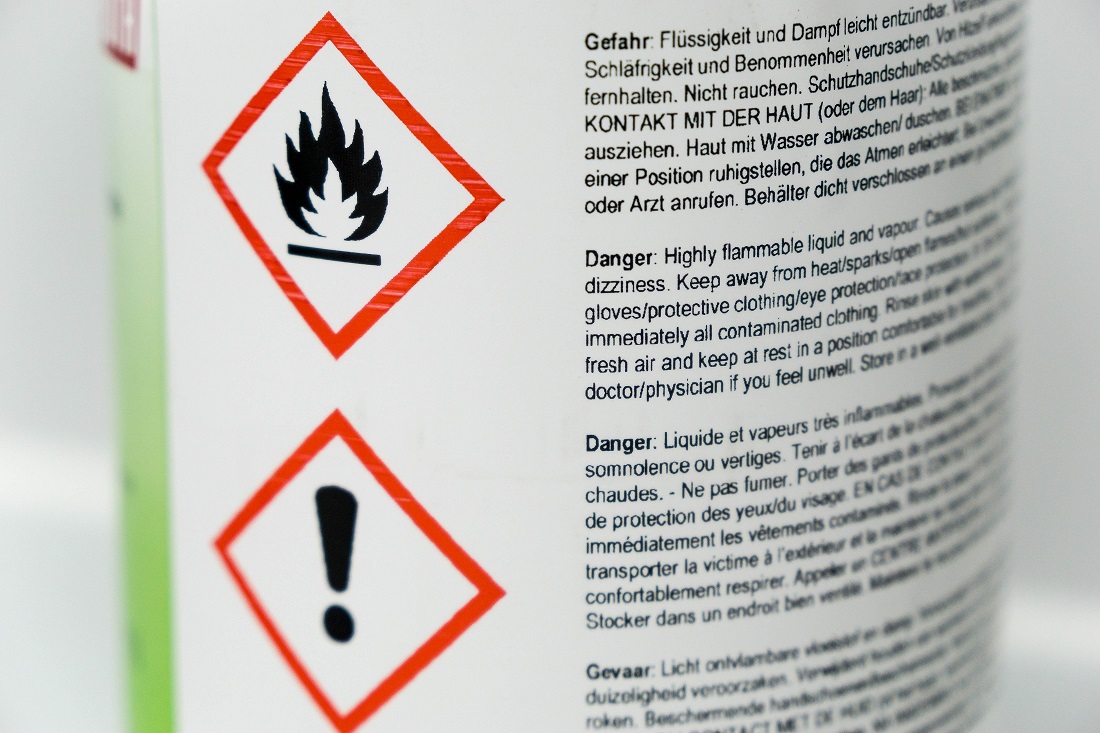
Labeling and storing hazardous chemicals
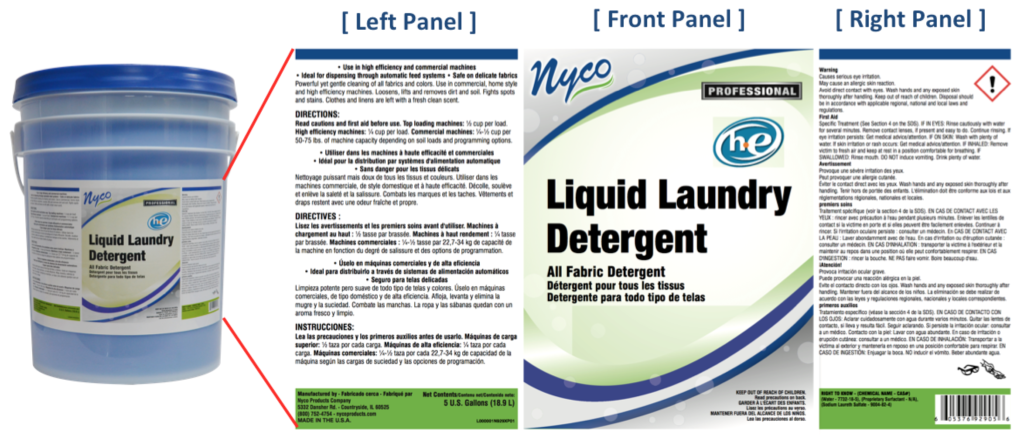
How to Read a Chemical Label | Understanding Chemical Labels

What Required Information Must GHS Labels Include? - MPC

Product Chemical Hazard Labels Explained - VIP Clean

4 Most Critical Components Of Cleaning Product Labels | A ...

Secondary Container Labels 101: HazCom and WHMIS
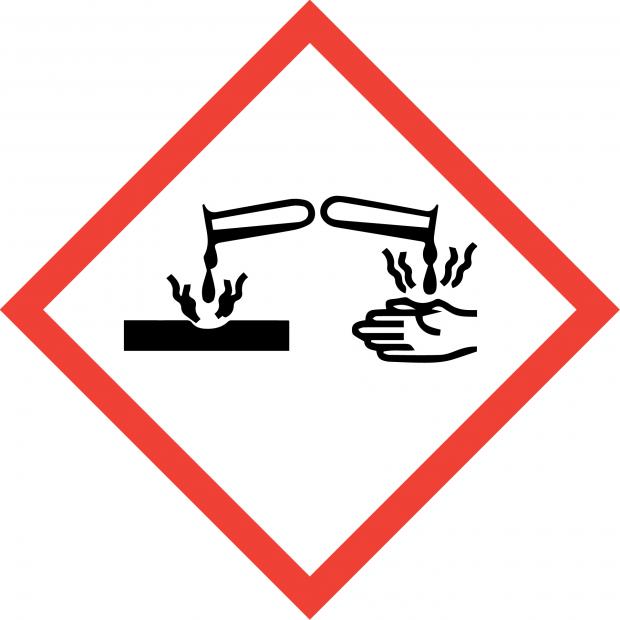
Chemical safety in the home | nidirect
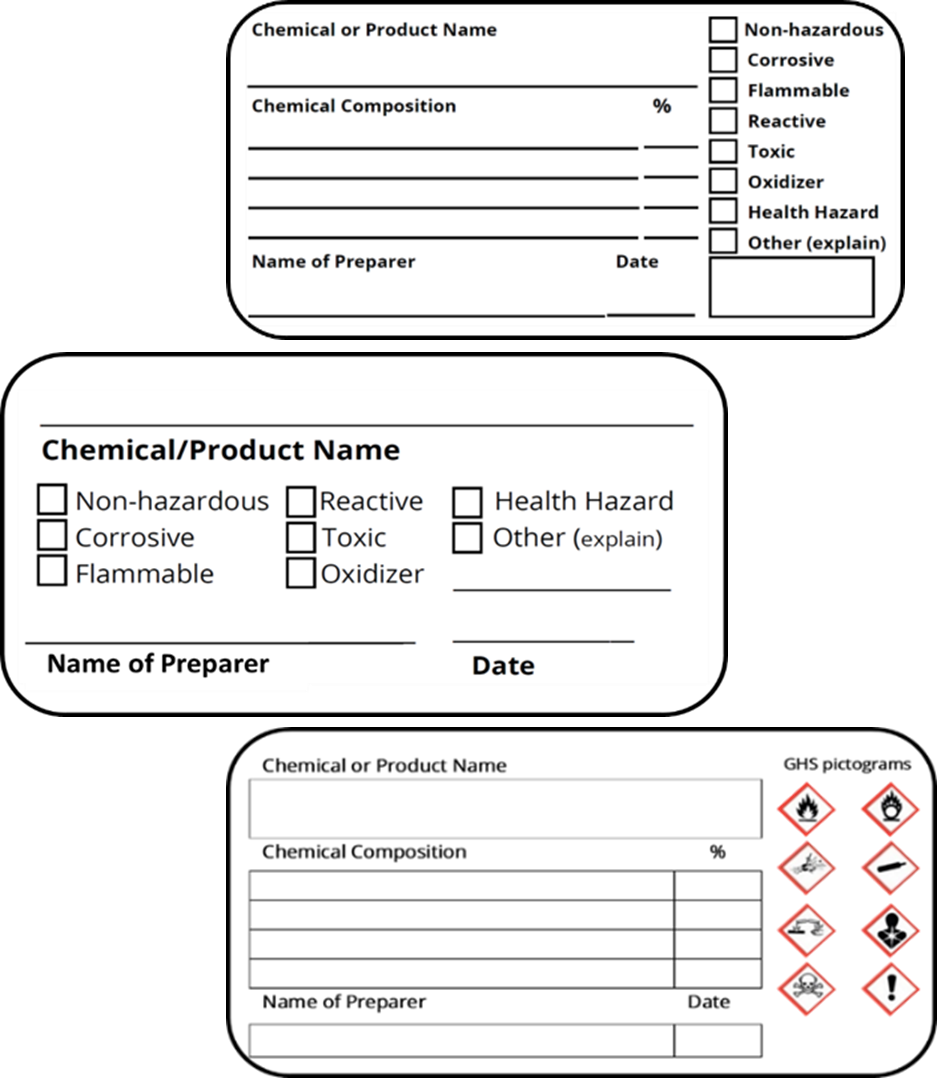
Chemical Container Labels | EHS

Cleaning Products | Uses, Benefits, and Chemical Safety Facts

Understanding the NFPA 704 Diamond Labeling System | Creative ...
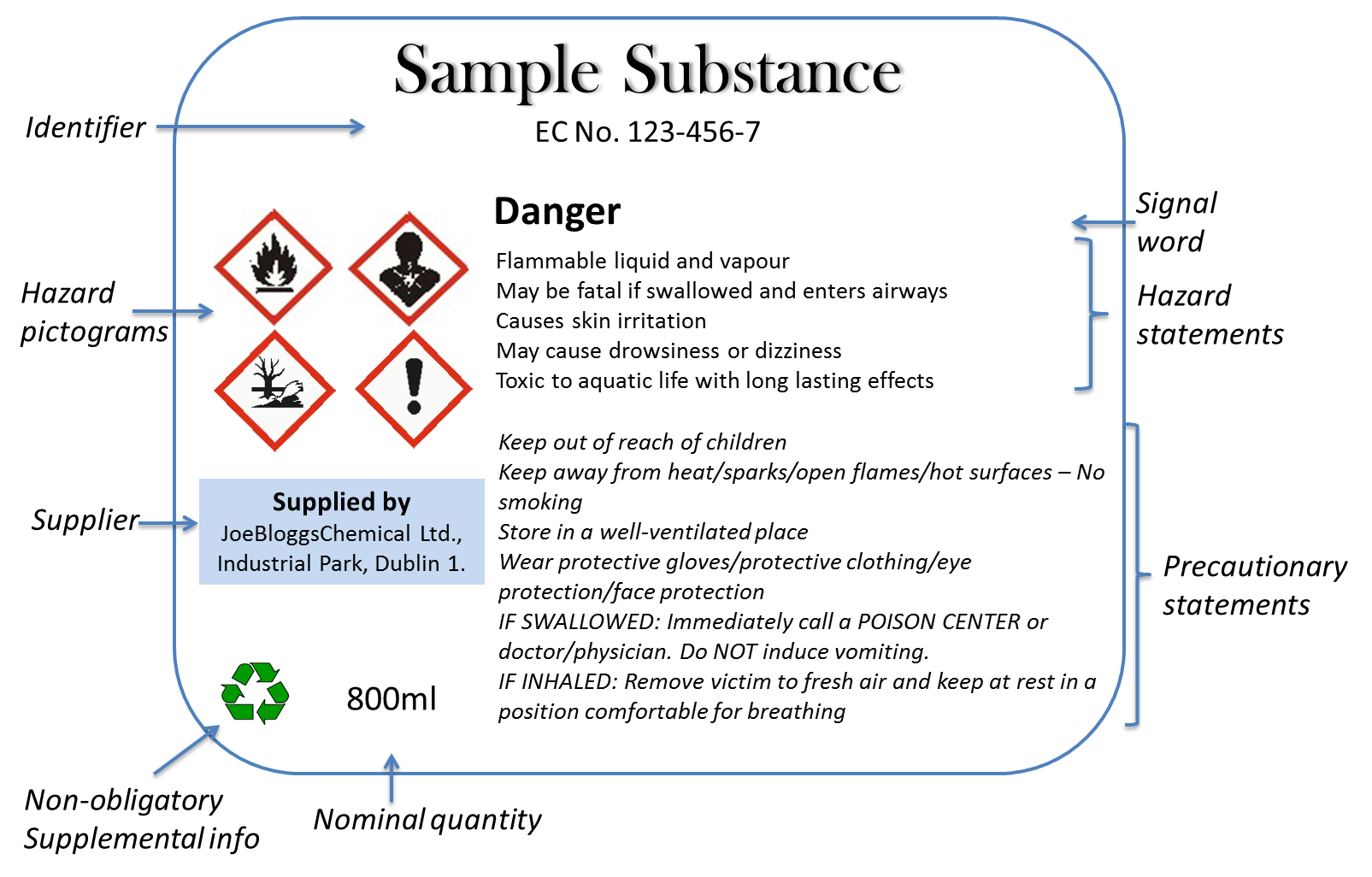
Labelling - Health and Safety Authority

Industrial Labels for Hazardous Chemicals | Label Solutions

Beauty Labels 101: How to Skip the Toxins and Know Your ...

IDENTIFICATION, CLASSIFICATION AND LABELLING OF CHEMICALS ...
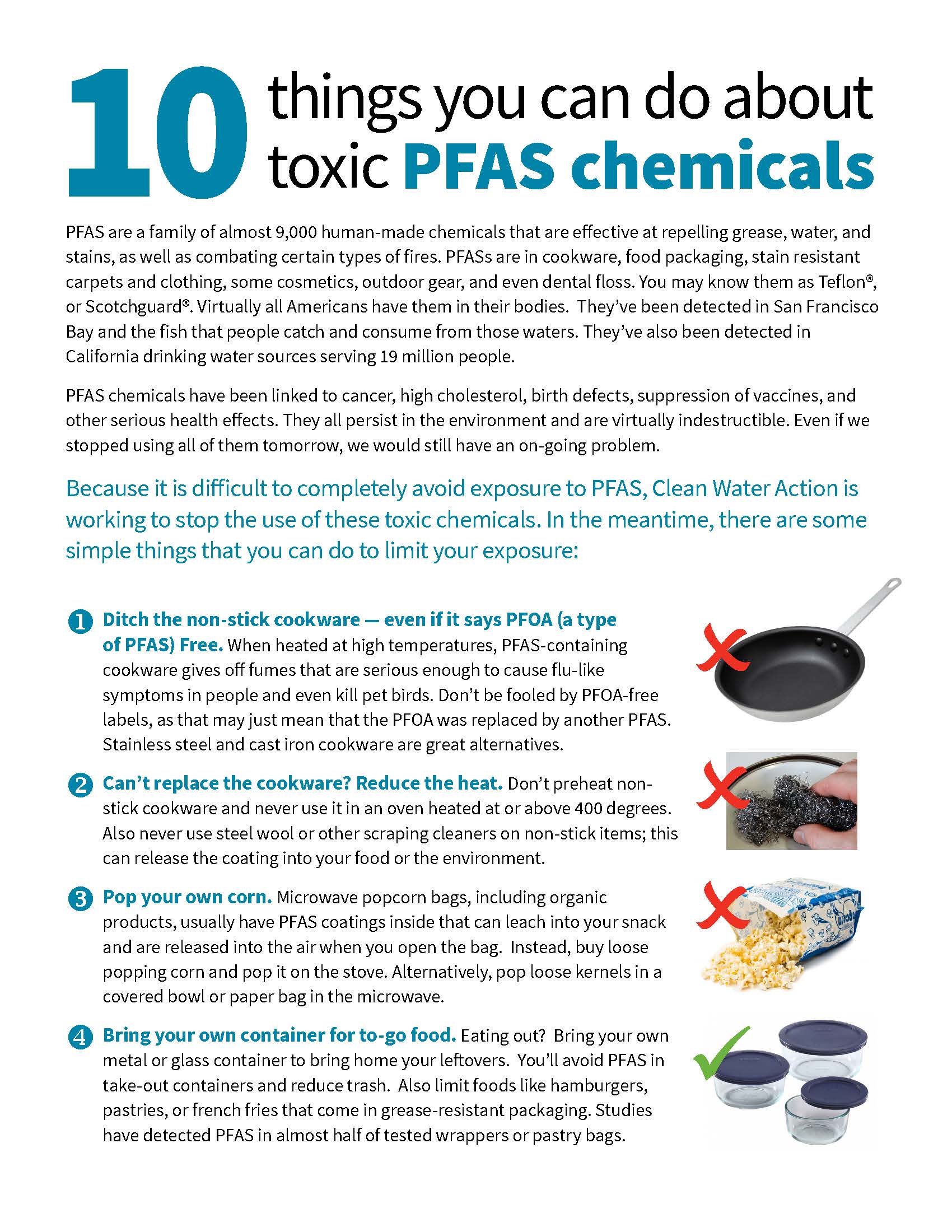
10 Things You Can Do About Toxic PFAS Chemicals | Clean Water ...

How to Read a Chemical Label | Understanding Chemical Labels
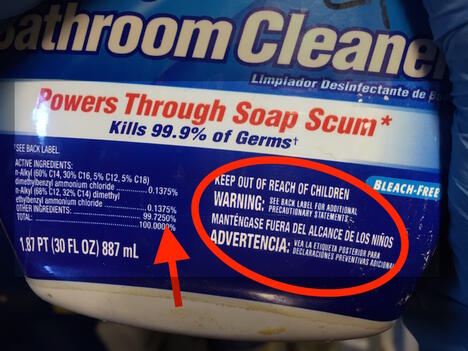
Dangers of Mixing Common Cleaning Products / Resources and ...

How to Read a Cleaning Product Label

Elegant, Playful Label Design for Sampson Chemical Products ...

Cleaning Effectively? Know Your EN Numbers

One third of chemical products labelled incorrectly ...
Post a Comment for "43 cleaning chemical labels should contain"