42 indie labels vs major labels
Indie vs. Major Record Labels: Which is Right for You? Indie vs. Major Record Labels 1. Trust and Close Working Relationships. Indie labels and boutiques generally have the advantage here. They have... 2. Record Deal Terms. Across the board, boutique deals will tend to be more favorable to artists. Indie label contracts... 3. Artistic Priorities. Do you ... Independent labels vs major labels - SlideShare • Also for indie record labels using A&R they can search the internet for artists just starting out (on sites like YouTube, Sound cloud etc), and if the artists wish to be more independent than being controlled by a major, the indie labels might be more of their taste meaning the indie label has just signed a deal due to the internet.
Indie Vs. Major: Which Record Label Contract Is Right For You? An Indie Label is any music recording label that operates without the funding of the organizations of the major music labels. Typically, major labels are global in scale and operate their own distribution and publishing companies. Indie Labels, however, tend to either work with other smaller companies, either in long term partnerships or in smaller ...

Indie labels vs major labels
Music Business Practices - Major vs Indie: Independent Record Labels How big is the independent sector? Major label sales fell after 2000 and recovered to record levels in 2004/5 before falling again.40% of UK platinum releases in 2002, and 30% in 2003, were independent. Independent releases outnumber the majors 5 to 1 and although the majors dominate popular media they're responsible for less than 20% of CD ... Indie Vs Major Labels - My Music Advice The three major labels are Sony Music, Warner Music and Universal Music Group. There used to be a fourth Major label known as EMI but this was bought by Sony after nearly going bankrupt. Major labels have subsidiary labels which run as independent labels but are ultimately being funded by, and have to answer to major labels. Indie Labels vs Major Labels: Differences & Which is Right For You While major labels operate on an international scale, with their own distribution and publishing departments, indie labels normally enlist third-party companies to provide their global distribution and publishing services. Top Record Labels Many of your favourite artists have released music through independent labels.
Indie labels vs major labels. › record-labels-accepting-demosRecord Labels (Actually) Accepting Demos 2022 - Omari MC That's why it's important to reach out to smaller indie record labels as well. Some famous artists have been rejected the first time they send in their demos, so always be pleasant and well mannered. Some famous artists have been rejected the first time they send in their demos, so always be pleasant and well mannered. What's the Difference Between a Major Label and Independent Label Deal? A major has more financial resources than an independent, more support staff and leverage in the marketplace. On the other hand, some new artists may feel that a major label is not paying enough attention to them and offers less creative freedom than an independent. Of course, getting signed to a major is just the beginning of the process. en.wikipedia.org › wiki › Josef_K_(band)Josef K (band) - Wikipedia Several notable labels have reissued Josef K albums and compilations, including Creation, Domino and LTM Recordings. In 2014 Les Disques du Crépuscule issued remastered vinyl and CD editions of The Only Fun in Town. The history of Josef K is covered in 2015 documentary film Big Gold Dream, with Malcolm Ross featuring prominently as an interviewee. Major Labels vs Indie Labels - YouTube Major labels know the industry and can help you reach the right ears, but sometimes their deals aren't always clear especially if you don't know much about the legal aspects of the music industry....
The Pros and Cons of Independent Record Label Deals Any music recording label that operates without the funding of the organizations of the major music labels is considered an indie label. While major labels are global and operate their own publishing and distribution companies, indie labels work with other smaller companies, either in long-term partnerships or in smaller contractual relationships for their distribution and publishing needs. Indie Labels Vs Major Record, Sample of Essays Indie VS. Major A good thing to remember, there are (of course) pros and cons to both major and indie labels, and questions you should consider before signing any kind of deal. Before signing any kind of contract, consult an attorney. KNOW WHAT YOU ARE SIGNING. This is especially true when signing a deal with a major label. news.ycombinator.com › contextRecord labels dig their own grave, and the shovel is called ... An import distinction to make is that this is about the (major) record labels in pop music. The vast majority of (independent) record labels are small companies, that focus on the music. en.wikipedia.org › wiki › Independent_musicIndependent music - Wikipedia Major labels tend to watch indie label artists and gauge their success, and may offer to sign acts from independents when their contract is up. The major may also request to buy the contract of the act from the independent label before the contract is up, giving the independent label a hefty financial payment if they choose to sell the contract.
Major vs. indie: Should you sign a record label deal? A major label has many more people working for them than an indie label. More people means you are less likely to work with the same person throughout your time at the label. Major labels have many experts in different areas (marketing, promotions, playlisting, radio tracking, distribution, etc.) compared to an indie, where fewer people take on more roles. Independent vs. Major labels: Who is growing faster? - Hypebot The major labels' combined revenue in 2020 was $15.2 billion, and in 2021 it was $18.7bn, representing 25% annual growth. If you simply deduct those figures from the IFPI figures you end up with ... Major Labels vs Independent Labels - TeenStar The term 'indie' (independent) is applied to any music label that operates outside the sphere of the major corporations. Indie labels differ dramatically in size and capacity: from professional teams working in slick premises, to self-trained individuals using their home computer to run the business. Many artists who are now with major labels started their careers with indie labels. Pros & Cons Of Signing With Major Label vs. Indie Label vs. Staying ... As major labels, indie labels also assign a team to an artist. The only difference is in the number of people it includes and their professional experience (which is not always the case). Apart from that, an artist can always get consulted about whatever he or she needs - whether it is guidance in music production or execution of ideas.
8-Bit City: Wolfenstein 3D Review, Resources, and DOS vs GBA Comparison
Indie Label vs Major Label: which is best for you? - Kore Studios Unlike major international labels who are big and rich enough to operate their own publishing, distributing and marketing companies, indie labels collaborate with other smaller companies to produce and sell music. Pros: Shared love of music - indie labels are smaller companies who pretty much have the freedom to sign whomever they like.
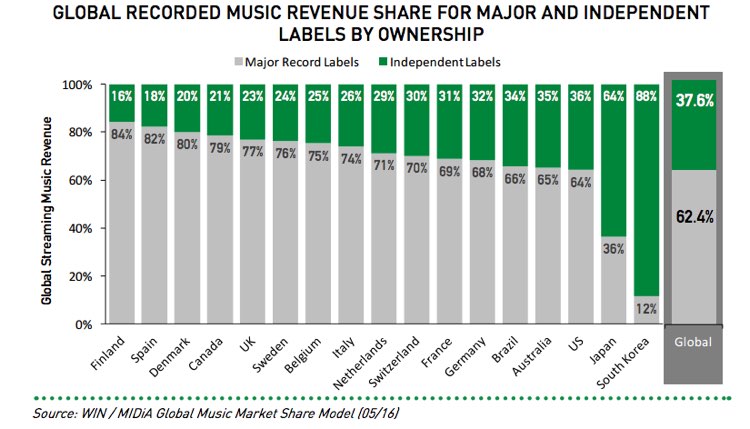
35 How To Get Signed To A Major Record Label - Labels Information List
Major Labels vs. Independent Labels In between, there exist the majority of labels. Most are smaller than the majors but bigger than the guy in the dorm room. These labels are often collectively referred to as "indies," short for "independent" labels. Any label that is not distributed by a major distribution company is considered an indie.

How to Identify Labels - MusicBrainz
Indie Vs. Major: Which Record Label Contract Is Right For You? | V20 Live Enter Indie (short for Independent) Labels. With Major labels only making up a very small percentage of the world's music label population (for a comparison, think about the US elite upper class, and how they only make up 10 percent of the nation's population). An indie label contract has become a new goal for many- a more realistic goal at ...

Lil Durk: Pros & Cons of Major Label Artists vs. Independent - XXL
› best-music12 of The Best Music Distribution Services in 2022 Jan 06, 2022 · These include show.co, which is an incredible music marketing platform used by huge labels & DIY artists alike & HearNow, which gives your fans an easy, one-click route to all of your music. CD Baby also offer some awesome discounts on extra music marketing tools that are great for indie artists such as: BandZoogle; Indie Bible

31 Managing A Record Label - Best Labels Ideas 2020
The Indie label v The Major labels, pros and cons! - Medium While major labels are global and operate their own publishing and distribution companies, indie labels work with other smaller companies, either in long-term partnerships or in smaller contractual...
Genre Stock Photos, Images, & Pictures | Shutterstock
Independent vs. Major Labels on emaze An independent record label, or "indie" record label, is a record label that operates without the funding of or outside major record labels. Many commercial bands and musical acts begin their careers on independent labels. Indie labels range from home based hobby labels to highly profitable, large businesses.
33 How To Sign With A Record Label - Label Design Ideas 2020
Indie Labels Vs Major Record Companies - EzineArticles An expense that major record companies have that Indie labels have been clever enough to avoid is playtime on commercial radio stations. Major labels have to pay from $400,000 up, in order to get one song on air. Indie labels tend not to even approach large commercial stations as they know that they can't afford all the promotion costs that are ...
35 American Record Label Owned By Universal Music Group - Labels For Your Ideas
How and Why Major and Independent Labels Work Together The Independent Labels and the Majors realize that to maximize their marketing efforts in an increasingly competitive environment, working together to achieve their mutual goals can be quite beneficial to both parties. A 'Major Label' is the name given to those labels that currently control over 80% of the records sold every year in this country.
Post a Comment for "42 indie labels vs major labels"