40 do branded companies like private labels
Private label brands - Economics Help For private label brands, if they give very similar packing impression as better known brands, they can increase sales. Using very similar packaging is known as 'copy-cating' or mimicking. It is illegal to copy brand packaging - so private label brands have to be careful to be sufficiently differentiated and not mislead consumers. As Private Label Grows, So Do D2C E-Commerce Opportunities - Forbes Private labels are set to rekindle in 2021 and beyond after a sluggish 2020. A KPMG analysis in India from early 2020 found that between 2019-22, private labels were expected to grow 1.3-1.6 times ...
How National Brands Can Compete with Private Labels - Observa Private labels are trying to combat the innovation of name brands by quickly copying the product. One manufacturer, Treehouse Goods, told Food Industry that they aim to copy innovative new products as soon as they are released. Nonetheless, it takes time for these copycat manufacturers to do the research and development for their version.
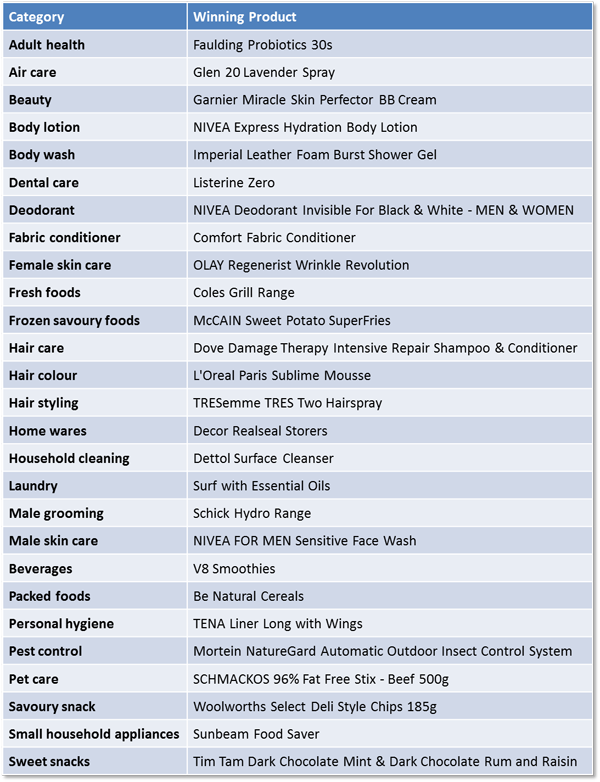
Do branded companies like private labels
12 Pros and Cons of Private Label Brands - BrandonGaille.com What Are the Pros of Private Label Brands? 1. Private label brands are usually cheaper than other branded products. This is because customers don't have to pay for mass marketing campaigns and the other costs national brand items may face. Local products coming from local producers also typically have lower transportation costs. Private Label vs Branded Products: 6 Insights You Can Use There is no one magic bullet for achieving private label brand success. And in examining the approaches employed by the companies who excel at building competitive private label sales, a number of crucial factors stand out. 1. Project Goal . For a private label brand strategy to be successful, it must begin with a core intent of the overall effort. What is Private Labeling? [Definition, Pros, Cons & More] What is Private Labeling? The majority of retailers, online and offline, obtain products from suppliers. Few brands manufacture and sell products directly to consumers. Many companies sell products without their name and branding unless they're using private label products.
Do branded companies like private labels. Private Label vs. National Brands - Blacksmith Applications Cadent Consulting suggests that private-label dollar share could reach 25.7% by 2027, growing more than 8 percentage points from where it is today. Private labels made up 16% of the market before the pandemic (up 2 percentage points since 2014), according to IRI. And, since the start of the pandemic in the US, private-label sales grew 29% ... The Future of Private Labels: Towards a Smart Private Label Strategy According to a recent report on private labels by Information Resources, Inc. (IRI), store brands or private labels (PL) in the grocery market in the USA grew by 5.8% in 2017, four times faster than national brands (Vimari 2018).PL shares for grocery products in the USA are at a near all-time high of 18.5% in dollar share and 22.3% in unit share. Why do Millennials love private label groceries so much? - RetailWire According to Cadent Consulting Group's 2018 report, "The Branding of Private Label," store brand dollar share in grocery is expected to hit a record high of 18.4 percent in 2018 and reach 25 percent over the next decade. One big reason: Millennials. While the typical shopping cart is 25 percent private label, Millennials' baskets are 32 ... Do Branded Companies Like Private Labels_K.Edwards.docx View Homework Help - Do Branded Companies Like Private Labels_K.Edwards.docx from MARKETING 101 at Ivy Tech Community College, Northcentral. K. Edwards Do Branded Companies Like Private Labels? 1.
M04 Written Assignment - Do Branded Companies Like Private Labels.docx ... View Homework Help - M04 Written Assignment - Do Branded Companies Like Private Labels.docx from BUSINESS MKTG101-0A at Ivy Tech Community College, Indianapolis. Dareen Haddad Do Branded Companies Brands Versus Private Labels: Fighting to Win Second, manufacturers of brand-name products can temper the challenge posed by private-label goods. In fact, in large part, they can control it: More than 50 % of U.S. manufacturers of branded... Top 10 Private Label Cosmetics Companies (& How to Choose One) 6. Audrey Morris. One of America's longest-running private label cosmetics manufacturers, Audrey Morris offers both traditional formulas and mineral-based makeup lines. An extensive range of product packaging and in-store product displays makes it easy to get a new cosmetics line up and running quickly. 7. Turning private labels into powerhouse brands - McKinsey & Company The fact that private labels are frequently cheaper than national brands has helped, too, as financially strained consumers tighten their purse strings. These two advantages—high availability and low price—have made private-label products considerably more appealing to consumers during the COVID-19 pandemic. Video Insights to Impact
Inflation Driving Private-Label Purchases at Walmart, Target Inflation is pushing shoppers toward cheaper, private-label brands — and companies like Walmart and Target stand to benefit. A customer shops at a supermarket in California. Shoppers are buying ... Private Label (Generic) vs. Branded Products: Differences ... - AAM Company Private label brands such as American Rag and Ink are sold at Macy's and altogether represent about 20% of sales which is up from less than 5%. Among other things, when researching branded food manufacturers we are careful to consider a company's diversity of product categories in addition to its market position in those categories. EOF The Pros and Cons of Going 'Private Label' vs. Selling Branded Products ... The terms private label and branded products are quite popular in the e-commerce world. Although there are now more private labels on the market than ever before, creating a private label isn't right for every company. At some point, every business owner needs to decide what type of name they want their product (s) or service (s) to carry.
30 Private Label Brands List - Labels Design Ideas 2020
Who Makes Store-Brand, Private-Label Products for Supermarkets? Kroger is one of the largest grocery chains in the U.S. — and Kroger is actually the parent company to a number of other grocery brands, including Dillons, Fred Meyer, Pick'n Save, Ralphs, and QFC. Article continues below advertisement Kroger has a number of private-label brands that can be seen across its many chain stores.
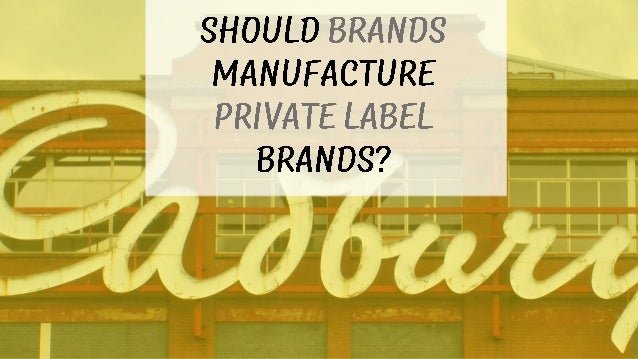
Brands vs private labels
40 Different Private Label Manufacturers to Try - ivetriedthat My Giant List of Private Label Manufacturers Here are 40 private label manufacturers to get you started: Health Care Products AC Pharm - skincare products (Australia) CBD Hemp - CBD hemp products (Florida, USA) Black Label Beard - men's grooming (USA) Garlabs - hair and skin products (USA)

34 Private Label Brands Are Owned And Managed By - Labels Design Ideas 2020
What is Private Labeling? [Definition, Pros, Cons & More] What is Private Labeling? The majority of retailers, online and offline, obtain products from suppliers. Few brands manufacture and sell products directly to consumers. Many companies sell products without their name and branding unless they're using private label products.
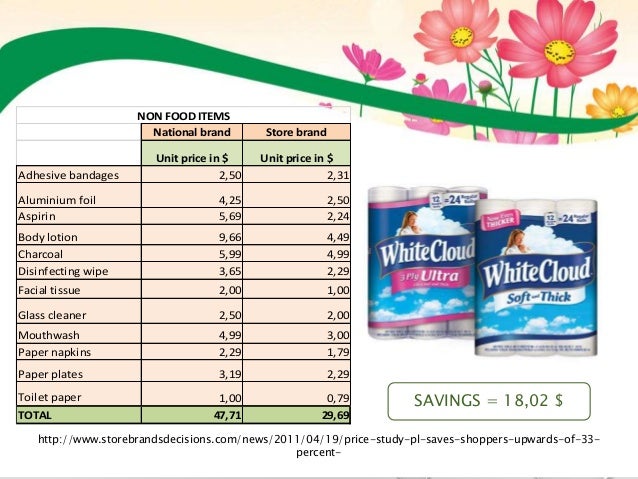
Private labels vs National brands
Private Label vs Branded Products: 6 Insights You Can Use There is no one magic bullet for achieving private label brand success. And in examining the approaches employed by the companies who excel at building competitive private label sales, a number of crucial factors stand out. 1. Project Goal . For a private label brand strategy to be successful, it must begin with a core intent of the overall effort.
FREEDOMFIGHTERS FOR AMERICA - THIS ORGANIZATIONEXPOSING CRIME AND CORRUPTION NEVER FORGET THE ...
12 Pros and Cons of Private Label Brands - BrandonGaille.com What Are the Pros of Private Label Brands? 1. Private label brands are usually cheaper than other branded products. This is because customers don't have to pay for mass marketing campaigns and the other costs national brand items may face. Local products coming from local producers also typically have lower transportation costs.

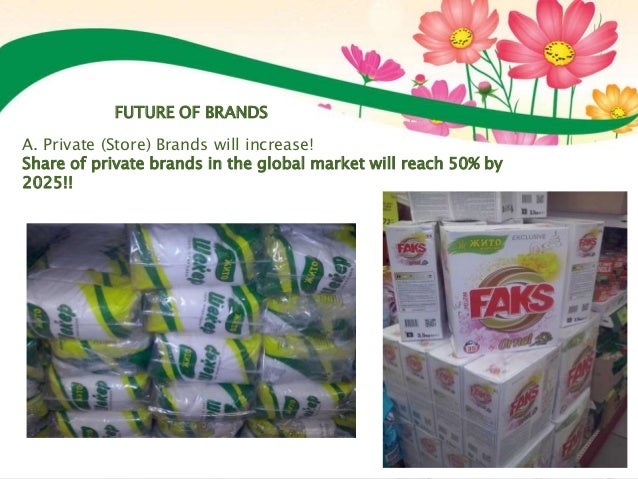
Private labels vs National brands


emami: Private labels owned by retailers such as Bharti Retail, Future Group outsell national ...

Exim International Trade Consultants - Barcode Products Top Barcode Brands Motorola Scanner and ...
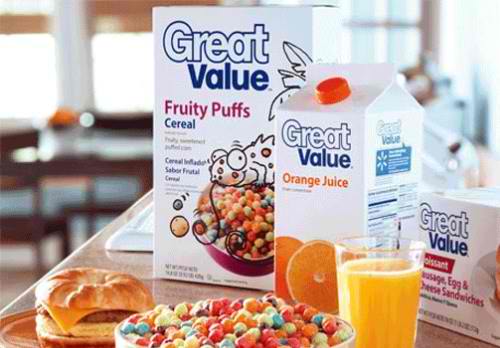
Private Label Brands: The Future Leaders Of Retail? | Branding Strategy Insider


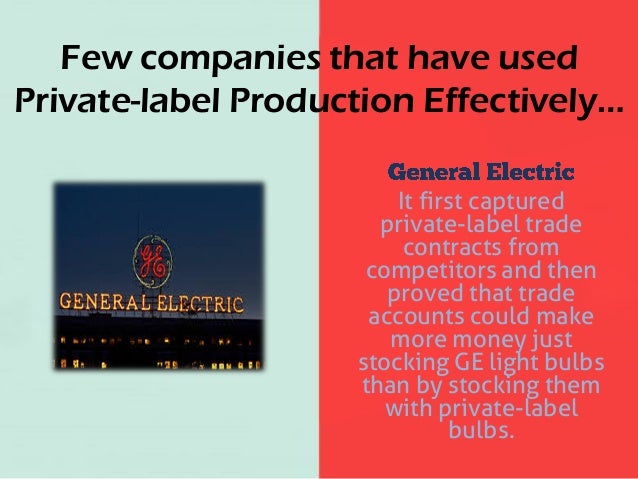
Brands vs private labels


Brands vs private labels
Post a Comment for "40 do branded companies like private labels"